
Mushrooms
Explore mushroom products at Master Dispensary, including mushroom-infused edibles, gummies, vape formats, and functional mushroom products. Because mushroom formulations can vary substantially by product, ingredient list, extract, serving information, and intended use, product labels and available laboratory documentation should be reviewed individually before making a selection.





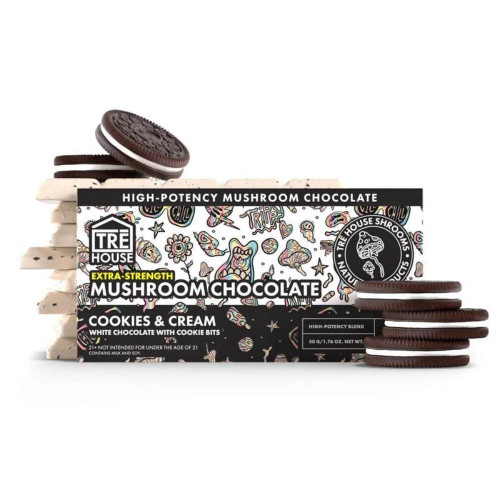
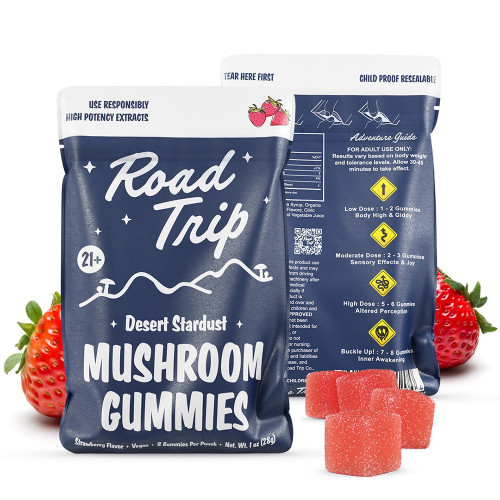
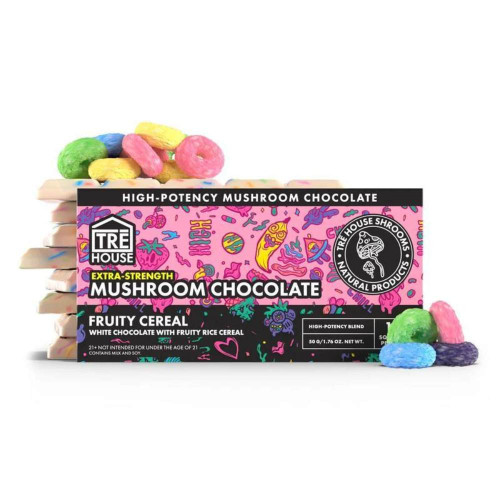
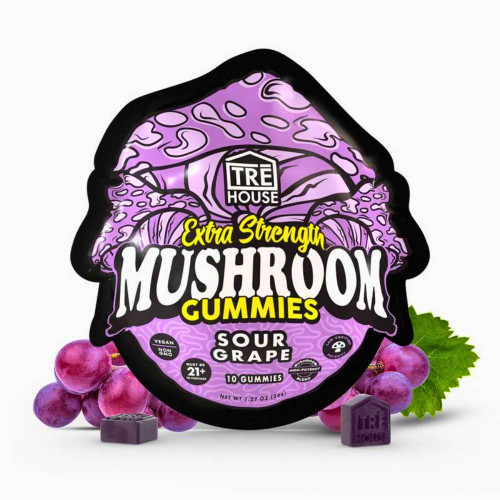
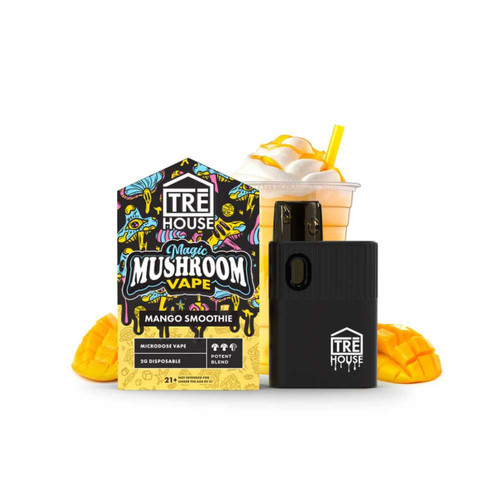
Mushroom Products: Formats, Ingredients, and What to Compare
The term mushroom products covers several distinct product types rather than one standardized formulation. Products may use functional mushrooms such as lion’s mane, reishi, or cordyceps, while other products are formulated with mushroom-derived or mushroom-associated ingredients intended for different consumer experiences. The product format can also vary from chocolate and gummies to ready-to-use vape devices and powders or capsules.
For that reason, comparing mushroom products based only on the word “mushroom” can be misleading. The more useful approach is to review the specific ingredients, amount per serving or package where provided, product format, manufacturer information, and laboratory documentation available for the individual product.
Mushroom Product Formats
Mushroom Chocolate
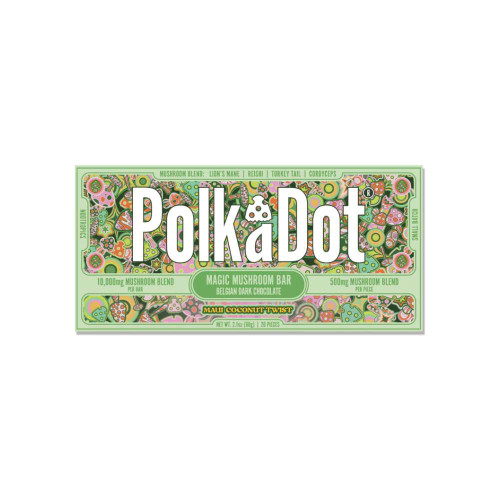
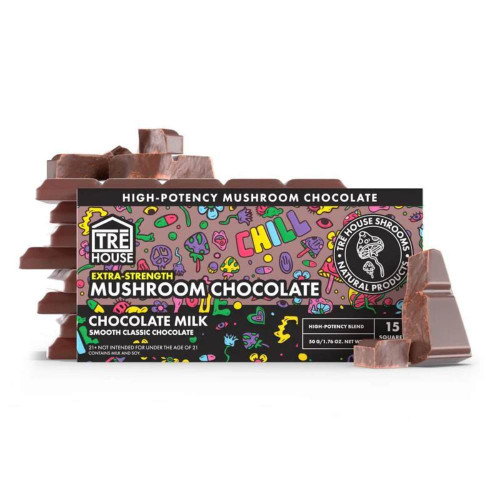
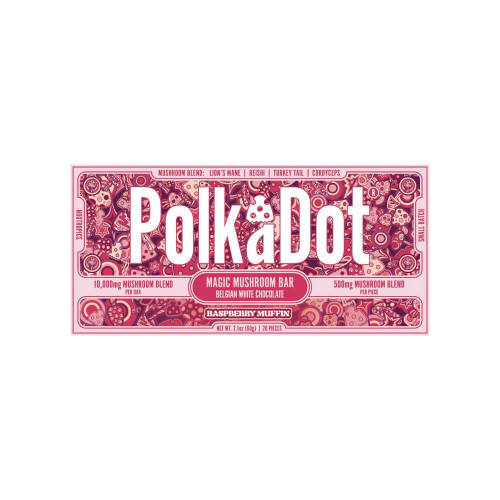
Mushroom chocolate combines a chocolate confection with a mushroom-related formulation. When comparing chocolate products, review the ingredient list, serving information, total package quantity, flavor, and the specific mushroom or other active ingredients identified by the manufacturer.
Mushroom Gummies
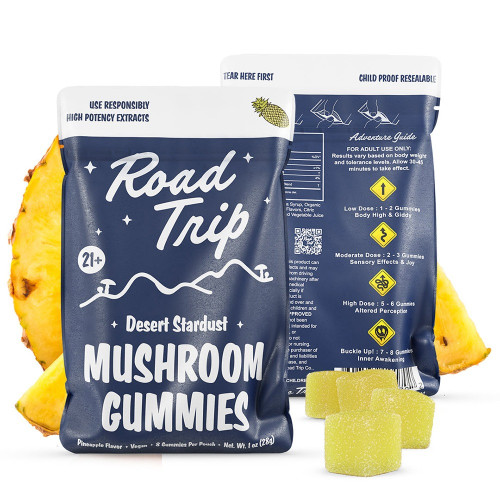
Mushroom gummies provide a portable edible format. Product specifications can differ significantly between brands and formulations, so consumers should compare the number of pieces per package, serving information, ingredients, flavor, and any available laboratory documentation rather than assuming that similarly named gummies contain the same formulation.
Mushroom Vape Products
Mushroom vape products are inhalable formulations sold in disposable or device-based formats. Important product information can include the formulation, device type, stated contents, ingredients, manufacturer information, and available laboratory testing. Consumers should review the product-specific information rather than comparing vape products solely by package size or brand.
Functional Mushroom Products
Functional mushroom products commonly use mushrooms such as lion’s mane, reishi, and cordyceps in formats including powders, capsules, and blends. These products are generally evaluated according to their specific mushroom ingredients, extract or powder format, amount per serving, additional ingredients, and manufacturing information.
What to Look For in Mushroom Products
The most useful product details depend on the format and formulation. Before choosing between products, compare the information that is actually provided for each individual item.
- Specific ingredients: Identify which mushroom species, extracts, botanical ingredients, or other compounds are listed.
- Serving information: Check how the manufacturer defines a serving and how many servings are contained in the package.
- Total package contents: Compare package quantity separately from the amount per serving.
- Product format: Chocolate, gummies, vape products, powders, and capsules have different characteristics and should not be compared solely by package size.
- Ingredient transparency: Review the complete ingredient list, including flavoring, sweeteners, carriers, and other added ingredients when disclosed.
- Manufacturer information: Look for identifiable brand and product information that allows the formulation to be evaluated at the individual-product level.
- Laboratory documentation: When available, review applicable testing information and compare it with the product label.
- Storage information: Follow the storage instructions supplied by the manufacturer for the particular product.
Comparing Mushroom Product Formats
Mushroom products in different formats are not interchangeable. A chocolate bar, gummy, powder, capsule, and vape product can have different ingredients, serving conventions, manufacturing processes, and product specifications.
| Format | What It Is | What to Compare | Key Product Characteristics |
|---|---|---|---|
| Chocolate | Chocolate confection formulated with mushroom-related ingredients. | Ingredients, serving information, package contents, flavor, testing. | Edible format with product-specific serving and ingredient information. |
| Gummies | Chewable edible product containing a stated mushroom-related formulation. | Pieces per package, serving information, ingredients, flavor, testing. | Portable edible format available in different formulations. |
| Vape | Inhalable formulation supplied in a vape device or related format. | Formulation, device type, contents, ingredients, testing. | Hardware and formulation are both relevant to product comparison. |
| Powder or Capsule | Functional mushroom product supplied as a powder or encapsulated formulation. | Mushroom species, extract or powder type, amount per serving, additional ingredients. | Often designed around clearly identified mushroom ingredients and serving information. |
Functional Mushrooms and Common Ingredients
Functional mushroom products are distinct from products marketed around an intoxicating or psychoactive mushroom experience. Common functional mushroom ingredients include lion’s mane, reishi, and cordyceps, although formulations vary by manufacturer.
Lion’s Mane
Lion’s mane (Hericium erinaceus) is a mushroom commonly used in functional mushroom formulations. Products may contain whole mushroom material, extracts, or blends, so the product label should be used to determine the actual formulation.
Reishi
Reishi refers to mushrooms commonly associated with the genus Ganoderma. Reishi products can differ according to species, extraction method, concentration, and additional ingredients.
Cordyceps
Cordyceps is another mushroom commonly found in functional formulations. As with other mushroom ingredients, consumers should distinguish between the mushroom species or material used and any extract or blend included in the finished product.
Functional mushroom products should not be assumed to diagnose, treat, cure, or prevent a medical condition. Their formulations and intended uses should be evaluated according to the product labeling and manufacturer information.
COA and Laboratory Testing Information
A Certificate of Analysis, commonly called a COA, is laboratory documentation associated with a particular product or batch. Depending on the product and testing program, a COA can provide information such as product identification, testing date, cannabinoid or other analyte results, and applicable contaminant testing.
Laboratory documentation should be evaluated alongside the product label rather than treated as a substitute for it. Testing information can also differ between products, batches, manufacturers, and laboratories.
What to Look For in a COA
- Product or batch identification that corresponds with the applicable product.
- Laboratory identification and testing information.
- Testing date or other applicable report information.
- Reported cannabinoid or analyte results when relevant to the formulation.
- Applicable contaminant testing where provided.
- Consistency between the laboratory report and the product information supplied by the manufacturer.
Where laboratory documentation is available for an individual product, review the documentation associated with that specific product rather than assuming that one laboratory report applies to every item from the same brand.
How to Compare Mushroom Products
Start by identifying the format that fits what you are looking for, then compare products within that format. A useful comparison begins with the formulation itself rather than the package design or product name.
- Identify the mushroom species or other active ingredients listed on the label.
- Check the serving information and total package contents.
- Review the complete ingredient list.
- Determine whether the product is a functional mushroom formulation or a different type of mushroom-derived product.
- Review manufacturer information and any available laboratory documentation.
- Compare products using the same type of measurement whenever possible.
- Follow the product-specific storage and handling instructions.
Storage and Handling
Storage requirements vary by product format and manufacturer. Keep mushroom products in their original packaging when practical and follow the storage instructions provided on the individual product label.
Products should be stored securely and kept away from children and pets. Edible products should also be kept separate from ordinary food when appropriate to reduce the possibility of accidental consumption.
Related Mushroom Education
For additional context around mushroom ingredients and their place in wellness-oriented products, see the Master Dispensary guide to mushrooms for daily wellness and focus.
Frequently Asked Questions About Mushroom Products
What are mushroom products?
Mushroom products are products formulated with mushrooms, mushroom extracts, or other mushroom-related ingredients. The category can include functional mushroom supplements as well as edible and other formulations. Because products can differ substantially in ingredients and intended use, the individual product label is the most reliable source for determining what a particular product contains.
What types of mushroom products are available?
Common formats include mushroom chocolate, gummies, vape products, powders, capsules, and functional mushroom blends. Not every product uses the same mushroom species or formulation, so format alone does not determine the product's ingredients or characteristics.
What are functional mushrooms?
Functional mushrooms are mushrooms commonly incorporated into wellness-oriented products. Examples include lion’s mane, reishi, and cordyceps. Products can use whole mushroom material, powders, extracts, or combinations, making it important to check the ingredient and formulation details for each product.
What is the difference between mushroom chocolate and mushroom gummies?
Both are edible formats, but their ingredients, serving sizes, package quantities, textures, flavors, and formulations can differ. The appropriate comparison is product-specific: review the ingredient list, serving information, total package contents, and any available laboratory documentation rather than assuming that two edible products have equivalent formulations.
How should mushroom product potency be compared?
Potency should only be compared using equivalent measurements. Depending on the product, information may be presented per serving, per piece, per package, by weight, or as a concentration. Measurements from different formats should not automatically be treated as directly interchangeable.
What should I look for when buying mushroom products?
Review the specific mushroom ingredients, formulation, serving information, package contents, complete ingredient list, manufacturer information, and available laboratory documentation. The product format also matters because chocolates, gummies, vape products, powders, and capsules have different characteristics.
What is a mushroom COA?
A COA, or Certificate of Analysis, is laboratory documentation associated with a particular product or batch. Depending on the testing program, it may report product identification, testing dates, cannabinoid or other analyte results, and applicable contaminant testing. The report should correspond to the product or batch being evaluated.
Are all mushroom products the same?
No. Mushroom products can differ in mushroom species, extracts, additional ingredients, serving information, format, manufacturing process, and laboratory documentation. Products with similar names or packaging may therefore have materially different formulations.
How are functional mushrooms different from psychoactive mushroom products?
Functional mushroom products commonly use mushrooms such as lion’s mane, reishi, or cordyceps in wellness-oriented formulations. Products marketed around psychoactive mushroom ingredients represent a different category of formulation and should be evaluated according to their specific ingredients, labeling, applicable regulations, and product documentation.
How should mushroom products be stored?
Storage requirements depend on the individual product. Follow the manufacturer's instructions on the product packaging, keep products securely stored, and keep them away from children and pets. Do not assume that storage requirements are identical across chocolates, gummies, powders, capsules, and other formats.
Do mushroom products contain cannabinoids?
Not necessarily. A mushroom product is not automatically a cannabinoid product. Some formulations may contain cannabinoids or other active ingredients in addition to mushroom-related ingredients, while others may not. The ingredient list and product-specific laboratory documentation should be used to determine the actual formulation.